Effective Washroom Services for Schools: School Washroom Hygiene Tips
Maintaining clean and hygienic washrooms in schools is essential for the health and well-being of students and staff. A well-kept washroom not only prevents the spread of germs but also creates a welcoming environment that supports learning and comfort. In this post, I will share practical advice and insights on how to ensure effective washroom services for schools, focusing on hygiene, maintenance, and compliance.
Why School Washroom Hygiene Tips Matter
School washrooms are high-traffic areas used by many students throughout the day. This makes them hotspots for bacteria and viruses if not properly maintained. Good hygiene practices in washrooms help reduce absenteeism caused by illness and promote a positive school atmosphere.
Here are some key reasons why washroom hygiene is critical:
Health and Safety: Prevents the spread of infections such as colds, flu, and stomach bugs.
Comfort and Dignity: Clean facilities make students feel respected and cared for.
Positive School Image: Well-maintained washrooms reflect the school’s commitment to student welfare.
Compliance: Meeting hygiene standards is often a legal requirement.
To achieve these benefits, schools need a clear plan for regular cleaning, maintenance, and monitoring of their washrooms.
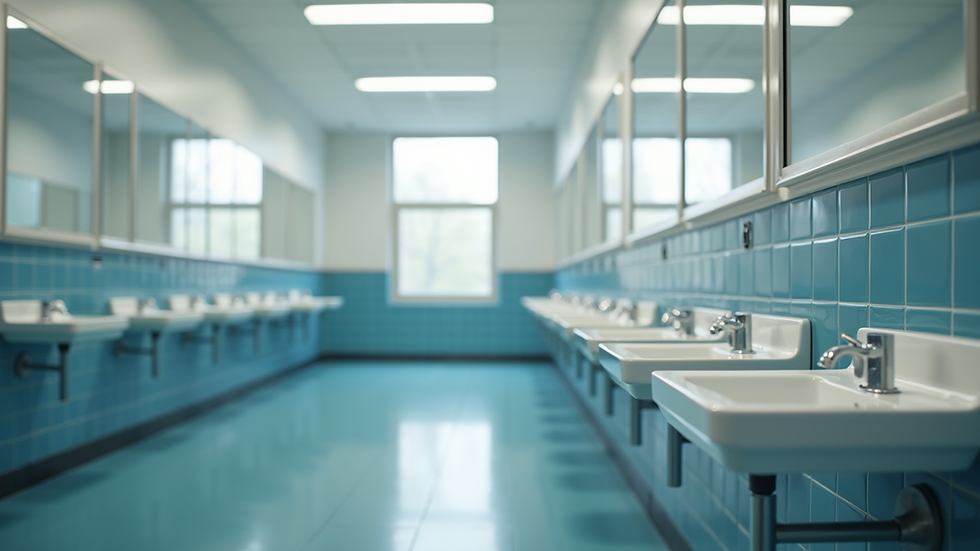
Practical School Washroom Hygiene Tips
Implementing effective hygiene practices in school washrooms requires a combination of routine cleaning, proper supplies, and education. Here are some actionable tips:
1. Regular Cleaning Schedule
Establish a cleaning timetable that covers all washrooms multiple times a day, especially during breaks. Focus on:
Disinfecting high-touch surfaces like door handles, taps, and flush buttons.
Cleaning toilets, sinks, and floors thoroughly.
Emptying bins regularly to avoid unpleasant odours.
2. Stock Essential Supplies
Ensure washrooms are always stocked with:
Soap dispensers filled with antibacterial soap.
Paper towels or hand dryers.
Toilet paper and sanitary disposal bins.
Hand sanitiser stations near entrances and exits.
3. Promote Handwashing
Encourage students and staff to wash their hands properly by:
Displaying clear, friendly posters with handwashing steps.
Using automatic soap dispensers to reduce contact.
Providing adequate sinks and drying facilities.
4. Maintain Fixtures and Equipment
Regularly inspect and repair any broken taps, toilets, or dispensers. Faulty equipment can discourage use and lead to hygiene issues.
5. Educate and Involve Students
Create awareness about the importance of washroom hygiene through assemblies, classroom talks, or student-led campaigns. When students understand the impact of their actions, they are more likely to keep facilities clean.
6. Use Eco-Friendly Products
Choose cleaning agents and supplies that are environmentally friendly and safe for children. This supports sustainability goals and reduces chemical exposure.
By following these tips, schools can maintain a hygienic environment that supports health and learning.
What is the Legal Requirement for Toilets in School?
Schools must comply with specific regulations regarding the number and condition of toilets to ensure student welfare. These requirements vary depending on the age group and number of pupils.
Key points include:
Adequate Number of Toilets: There should be enough toilets to prevent long queues and overcrowding. For example, the UK government recommends at least one toilet per 20 pupils for younger children.
Separate Facilities: Separate toilets for boys and girls are required, with additional facilities for staff.
Accessibility: Toilets must be accessible to pupils with disabilities.
Cleanliness and Maintenance: Facilities must be kept clean, safe, and in good working order.
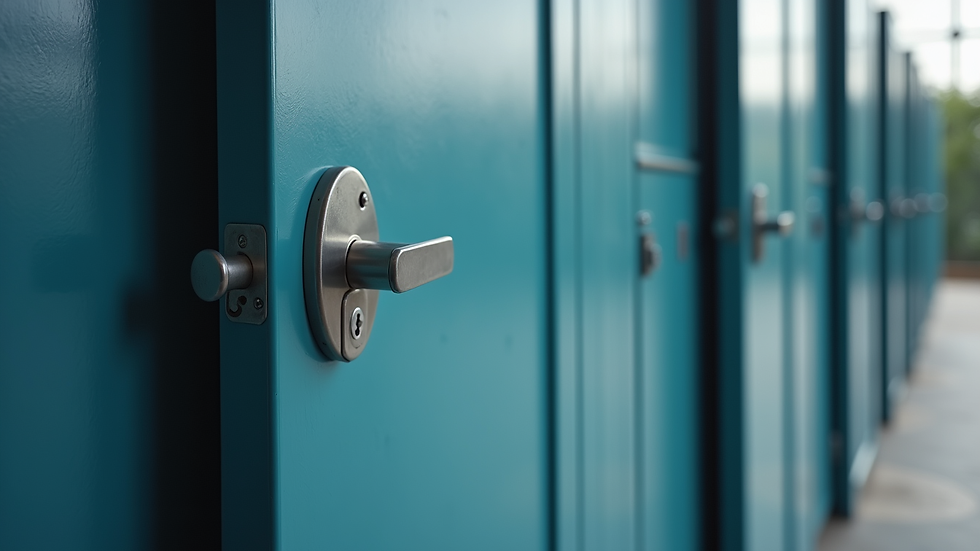
Privacy and Safety: Doors and partitions should provide privacy, and lighting should be sufficient.
Schools should regularly review their washroom facilities to ensure they meet these legal standards. Failure to comply can result in penalties and negatively impact student health.
The Role of Professional Washroom Services
While schools can manage daily cleaning, partnering with professional washroom service providers can enhance hygiene standards. These experts offer:
Deep cleaning and sanitisation using specialised equipment.
Regular maintenance and prompt repairs.
Supply management to ensure constant availability of hygiene products.
Compliance advice to meet legal and health standards.
Using professional washroom services for schools ensures a consistent, high-quality approach to hygiene. This partnership allows school staff to focus on education while experts handle the complexities of washroom management.
Creating a Sustainable Washroom Environment
Sustainability is increasingly important in school facilities management. Here are ways to make washrooms more eco-friendly:
Install water-saving taps and dual-flush toilets to reduce water use.
Use energy-efficient hand dryers instead of paper towels.
Choose biodegradable and recyclable hygiene products.
Implement waste segregation and recycling bins.
Educate students about environmental responsibility in washrooms.
Sustainable practices not only reduce costs but also teach students valuable lessons about caring for the planet.
Final Thoughts on School Washroom Hygiene
Effective washroom services are vital for creating a safe, healthy, and welcoming school environment. By following practical hygiene tips, complying with legal requirements, and considering professional support, schools can maintain washrooms that meet the needs of all users.
Remember, clean washrooms contribute to better health, improved attendance, and a positive school culture. Investing time and resources into washroom hygiene is an investment in the well-being and success of every student.
I hope these insights help you understand the importance of washroom hygiene and inspire action to keep school facilities in top condition. Clean washrooms are a foundation for a thriving educational environment.


Comments